Showing posts with label fado. Show all posts

Saturday, 24 November 2012

Ginja Tour


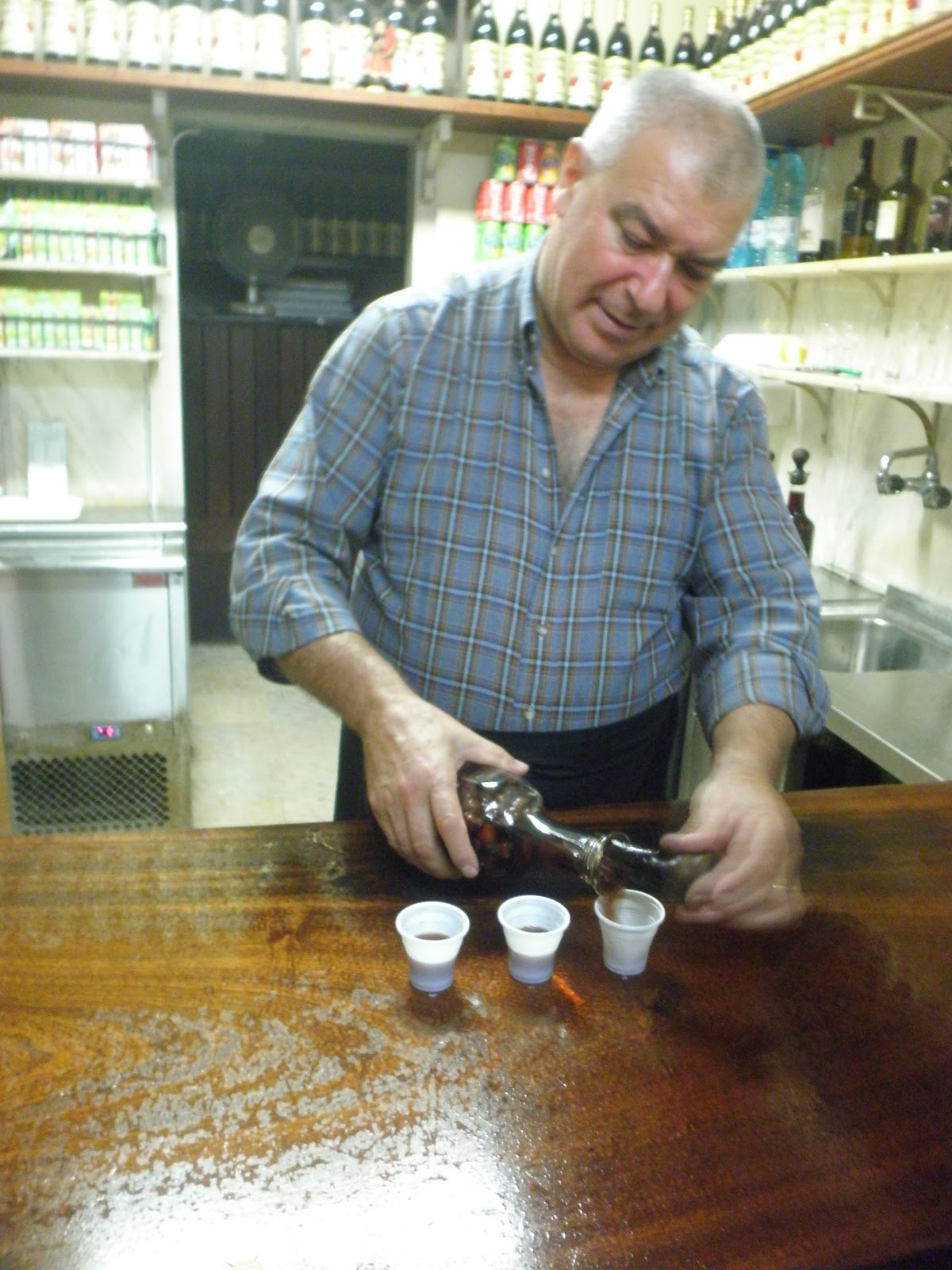
It 's the aperitif time? The portuguese answer is Ginja. Of course, in Portugal, there isn't the "italian aperitif" (like the italians are used to do), but drinking a glass of ginja downtown, post-work, it is a fairly common practice.

But what is ginja?

Ginja, is a liqueur made of black cherry, or rather an infusion of sour cherry in (aguardente) alcohol with the addition of sugar, water and cinnamon. Say "Ginja" means to say everything and nothing in the same time, in fact every ginjeria (with its local homemade production) prepares its particular ginja. Ginja is a famous and traditional drink in Lisbon and so, especially in the area located between Martim Moniz, Rossio and Mouraria, there are many hidden ginjerias. Casually, many of them are in the same streets where Fado was born ... maybe alcohol and music go hand in hand.
 
The "Ginja Tour" can be easily done during any other tour you want to do in the city center and it is recommended for everyone, young and old, as long as you do not have to drive.

The Ginjinha Espinheira, do Eduardino, Rubi, are just some of the most famous ginjerias where it is absolutely necessary to go for see the beauty of the streets, for hear the historical curiosities, but above all ... for drink a ginja!


Tuesday, 13 November 2012

Walking around Alfama


Alfama, district of history, tradition and music is perhaps the "bairro" most beautiful and fascinating of Lisbon.
Walking in the ancient streets, full of silences and colors, is a unique experience: squares, terraces, historic buildings are the setting for this tour, while restaurants and bars are the better places to rest and taste typical Portuguese food and drinks. The restaurants and bars, often family managed, tell a different Lisbon from the tourist capital of the Baixa or Expo, they show the people who live here, the same who have always lived here. Traditional food and drink (at local prices ... so cheap) are also accompanied by the famous Portuguese music called Fado, whose notes and melodies describe the picturesque sites of Alfama. 


The tour of the Alfama is especially recommended for those who like walking outdoors, for travelers who prefer the "journey" rather than the "destination" ... because Alfama has always been a place of passage.
During the tour you can taste local products and visit ancient palaces and squares, listen to Fado, feel and listen (along the way) the history of the district as well as recent events.


The tour of the Alfama is easy to insert within a "major tour" including, for example, a visit to the Castle, Graça, or Mouraria (etc.), so we can create your personal tour, prepared "for" and "with "you, according to your needs, expectations and interests.

Tuesday, 9 October 2012

ALFAMA - District

Alfama is perhaps the most typical and characteristic neighbourhood of them all. 


The barrio is a deadalean labyrinth of narrow, windy streets and steep stairs opening up on irregularly shaped squares. Houses, alleys, rooftops with amazing view on Tejo have been centenarian witness of Lisbona’s troublesome history. The relaxing melancholy you feel when strolling around these streets reminds of the feeling when old, wise men tell you of the past, speaking with nostalgia and cold disillusion. And indifference for the future, perhaps. 

The saudade lisboeta has its home in this very neighbourhood: that indescribable feeling that is a cocktail of melancholy, sadness and nostalgia. In these streets you can hear the fado notes grovelling out of the bar’s doors – the emotional tune of Portuguese nights. 

Alfama is not just a silent relic of a forgotten past, though. It is a lively marketplace of nationalities. Pass by the stands at the Feira da Ladra or visiting the Pantheon or the São Vicente de Fora monastery; dwell in the plethora of bars and private clubs with stunning panorama terraces: they will warm up your night that falls discreet on this architectural gem.

Every June, San Miguel square gets packed up with people celebrating with litres of sangria and plenty of jovial moods.